

Mild psoriasis can sometimes be difficult to manage. In this article, I explain some of the reasons why adequate control may not be achieved and what can be done to review the situation.
Many people with less extensive forms of psoriasis become frustrated when they are unable to achieve adequate disease control. However, this is not always simply a question of psoriasis severity; it may also depend on how the disease is being managed. Below, I review some of the most common reasons why mild psoriasis may remain poorly controlled and what can be considered in each situation.
Common reasons why mild psoriasis does not improve
1. Not following an appropriate treatment plan
Psoriasis treatment needs to be individualised. What works well for one person may not be appropriate or sufficiently effective for another. Not following the prescribed treatment regimen consistently, or trying treatments without appropriate medical guidance, can make disease control more difficult. Working with a dermatologist specialising in psoriasis is important in order to establish a treatment plan suited to the location, extent and impact of the disease, as well as to your individual circumstances.
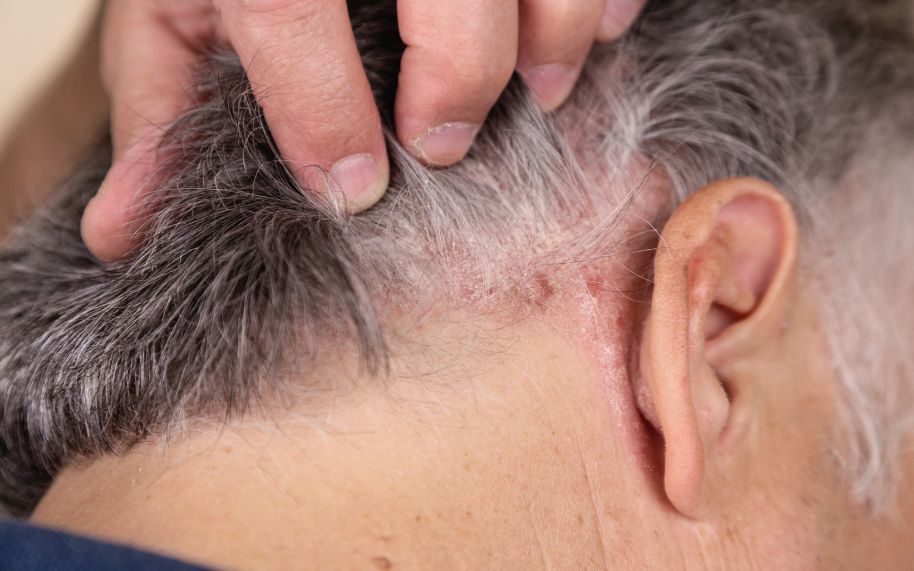
2. Difficult-to-treat areas such as the scalp
The scalp is one of the areas in which psoriasis can be particularly challenging to manage. Hair can make treatments more difficult to apply evenly, and some formulations may be inconvenient for regular use. In these situations, treatment should be adapted carefully and may include specific formulations such as medicated shampoos, lotions, solutions or foams that are easier to apply to the scalp.
3. Lack of consistency with treatment
Even mild psoriasis often requires consistent treatment. Some people stop treatment as soon as their symptoms improve or find it difficult to maintain the prescribed routine over time. However, following the recommended treatment regimen is important for achieving and maintaining good disease control. Depending on the treatment and the individual situation, a maintenance strategy may also be appropriate. If the treatment is difficult to use consistently, this should be discussed with the dermatologist rather than simply abandoning it.
4. Uncertainty about the available treatment options
Sometimes, limited information about the available treatments can also restrict the chances of achieving good control. There are different therapeutic options for psoriasis, ranging from topical treatments to phototherapy and systemic or biological therapies. The appropriate choice depends on more than just the amount of skin affected. The location of the lesions, their impact on quality of life, previous treatment response and the persistence of the disease are also relevant.
There are options: steps that may improve control of mild psoriasis
If you recognise yourself in any of these situations, it may be worth reviewing how your psoriasis is being managed.
1. Follow your dermatologist’s recommendations
The first step is to follow the treatment regimen agreed with your dermatologist. If the treatment is not working as expected, is causing side effects or is difficult to incorporate into your routine, discuss this openly so that the treatment plan can be reassessed.
2. Ask about treatments that are easier or more suitable to use
Some treatments can be inconvenient, difficult to apply or poorly suited to certain areas of the body. Speak to your dermatologist about formulations or alternatives that may fit more easily into your daily routine. For example, depending on the area being treated and the medication prescribed, foams, gels, lotions or solutions may sometimes be more practical than creams or ointments. Improving convenience can also help improve adherence to treatment.
3. Consider a second opinion if necessary
If you have followed the recommended treatment and your psoriasis remains inadequately controlled, a specialist second opinion may be helpful. A reassessment may identify factors such as the location of the disease, its impact on quality of life, difficulties with treatment adherence or the need to consider a different therapeutic approach. The aim is not necessarily to use more treatment, but to ensure that the treatment strategy is appropriate for your individual situation.
Prevention and long-term care
In addition to medical treatment, several measures can support long-term psoriasis management:
- Identify possible triggers: Some people recognise factors associated with worsening psoriasis, such as stress, cold weather, skin irritation or certain infections. The relevance of individual triggers varies from person to person.
- Keep your skin moisturised: Regular use of appropriate emollients can help support the skin barrier and reduce dryness and scaling.
- Maintain healthy lifestyle habits: A balanced diet, such as a Mediterranean dietary pattern, regular physical activity, adequate sleep and avoiding smoking can support overall health and form part of comprehensive psoriasis care.
Conclusion
Mild or limited psoriasis can still be difficult to manage, particularly when it affects high-impact areas, persists despite appropriate topical treatment or interferes with everyday life. Adequate control depends on choosing the right treatment, using it consistently and reviewing the strategy when the expected response is not achieved. Good communication with your dermatologist is essential. If the treatment is not working, is difficult to use or the disease continues to have a significant impact on your life, the situation should be reassessed rather than simply accepted. With an appropriately individualised treatment plan, many patients with mild or limited psoriasis can achieve good disease control and substantially reduce its impact on everyday life.
I invite you to share this article about the difficulties involved in controlling mild psoriasis and the available approaches with anyone who may find it useful.
