
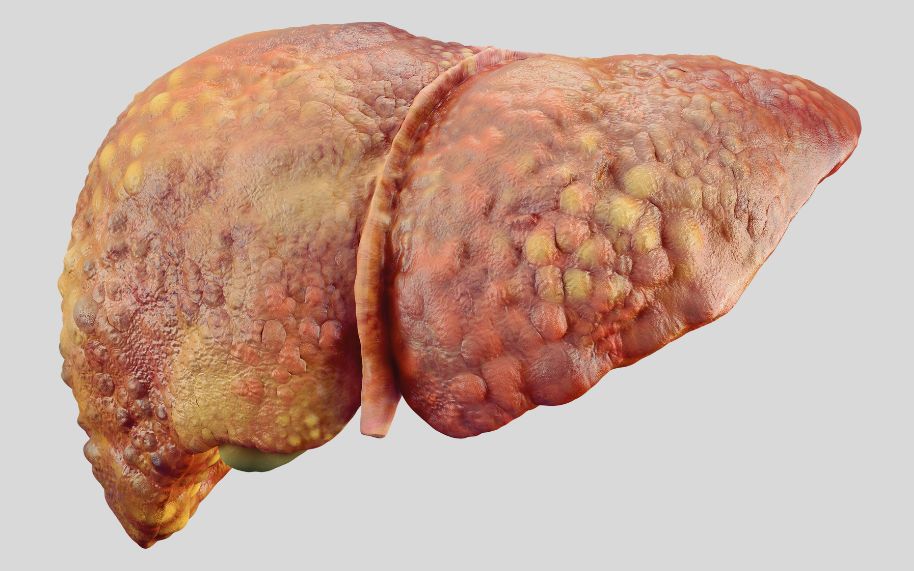
Learn why people with psoriasis have a higher prevalence of fatty liver disease and why a comprehensive approach should take this association into account.
Psoriasis is a chronic inflammatory skin disease affecting millions of people worldwide. However, its clinical relevance can extend well beyond the skin. Research has shown that people with psoriasis have a higher prevalence of fatty liver disease, particularly when metabolic risk factors such as obesity, insulin resistance or metabolic syndrome are also present. For many patients, this association may be unexpected. However, scientific evidence supports a clinically relevant relationship between the two conditions.
What is fatty liver disease and why is it important?
Fatty liver disease is characterised by an excessive accumulation of fat within liver cells. The terminology used for this condition has evolved in recent years. What was previously known as non-alcoholic fatty liver disease (NAFLD) is now commonly referred to as metabolic dysfunction-associated steatotic liver disease (MASLD) when relevant metabolic criteria are present. In its early stages, fatty liver disease may cause no symptoms. However, in some patients it can progress to liver inflammation and fibrosis, and in more advanced cases may eventually lead to cirrhosis or liver cancer.
Fatty liver disease is closely associated with metabolic conditions such as abdominal obesity, insulin resistance, high blood pressure and abnormal lipid levels. Like psoriasis, it is a multifactorial condition in which metabolic dysfunction and inflammatory mechanisms can both play an important role.
How are psoriasis and fatty liver disease related?
Although psoriasis and fatty liver disease affect different organs, they share several clinical and biological factors. The association is thought to involve a combination of systemic inflammation, metabolic dysfunction, obesity and insulin resistance.
1. Systemic inflammatory activity
Psoriasis is an immune-mediated inflammatory disease. Pro-inflammatory cytokines, including tumour necrosis factor alpha (TNF-α), IL-6 and IL-17, are involved in inflammatory pathways relevant to psoriasis and have also been studied in relation to liver inflammation and metabolic dysfunction. These shared mechanisms may partly explain why psoriasis and fatty liver disease frequently coexist. However, this does not mean that psoriasis directly causes fatty liver disease in every patient.
2. Insulin resistance
People with psoriasis have a higher prevalence of insulin resistance and type 2 diabetes than the general population. Insulin resistance is also one of the key mechanisms involved in fatty liver disease, as it alters glucose and fat metabolism and can promote the accumulation of fat within the liver. For this reason, metabolic assessment is particularly relevant in people with psoriasis who have additional risk factors.
3. Higher prevalence of obesity
Obesity is a well-established risk factor for fatty liver disease and is also more common among people with psoriasis. Visceral and abdominal fat are particularly relevant because they are associated with insulin resistance, metabolic dysfunction and inflammatory activity. Obesity may therefore contribute independently to the increased prevalence of fatty liver disease observed in patients with psoriasis.
4. Association with metabolic syndrome
Psoriasis is also associated with a higher prevalence of metabolic syndrome. This includes several interrelated cardiovascular and metabolic risk factors, such as high blood pressure, dyslipidaemia, central obesity and insulin resistance. All of these factors are also strongly associated with fatty liver disease. This overlap reinforces the importance of assessing psoriasis within the broader metabolic health of the patient.
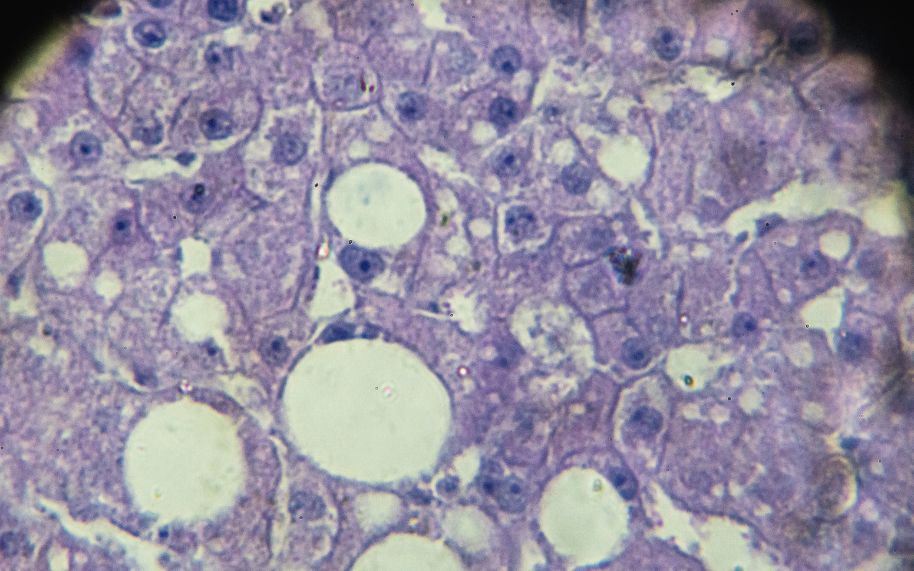
The importance of a comprehensive approach in patients with psoriasis
Because psoriasis is associated with a higher prevalence of fatty liver disease and other metabolic comorbidities, its management should not focus exclusively on skin lesions. A comprehensive approach to psoriasis should also consider relevant risk factors such as obesity, insulin resistance, abnormal lipid levels and metabolic syndrome.
Some important measures include:
- Weight management and healthy lifestyle habits: In people who are overweight or obese, clinically meaningful weight loss can improve metabolic health and reduce liver fat. A balanced dietary pattern such as the Mediterranean diet may be particularly appropriate because of its recognised cardiovascular and metabolic benefits.
- Regular physical activity: Exercise can improve insulin sensitivity, cardiovascular health and body composition and may help reduce liver fat, independently of its effects on psoriasis.
- Psychological wellbeing and stress management: Stress can affect quality of life, sleep and health-related behaviours. Approaches such as relaxation techniques, psychological support or appropriate physical activity may therefore be useful as part of broader care.
- Assessment of associated risk factors: Blood pressure, glucose metabolism, lipid levels and liver health should be assessed when clinically indicated, particularly in patients with obesity or other metabolic risk factors.
- Individualised pharmacological treatment: Some systemic treatments for psoriasis, including biological therapy, can reduce systemic inflammatory activity. However, their effect on the development or progression of fatty liver disease is still under investigation. In addition, certain psoriasis treatments may require particular attention to liver function. Treatment should therefore always be selected and monitored according to the individual patient’s clinical situation.
Conclusion
The association between psoriasis and fatty liver disease highlights the importance of viewing psoriasis as a condition that may have implications beyond the skin.
Systemic inflammation, insulin resistance, obesity and metabolic syndrome are among the factors that may contribute to the coexistence of both conditions.
For this reason, a comprehensive approach should include not only appropriate psoriasis treatment but also attention to metabolic health and the early identification of relevant risk factors. Healthy lifestyle measures, weight management when necessary and appropriate clinical monitoring can all contribute to reducing the risk of liver and metabolic complications.
I invite you to share this article about the relationship between psoriasis and fatty liver disease with anyone who may find it useful.
Referencies
1. Armstrong AW, Harskamp CT, Armstrong EJ. "Psoriasis and metabolic syndrome: A systematic review and meta-analysis of observational studies." J Am Acad Dermatol. 2013.
2. Mantovani A, Gisondi P, Lonardo A, Targher G. "Relationship between non-alcoholic fatty liver disease and psoriasis: A novel hepato-dermal axis?" Int J Mol Sci. 2016.
3. Miele L, Vallone S, Cefalo C, et al. "Prevalence, characteristics and severity of nonalcoholic fatty liver disease in patients with chronic plaque psoriasis." Hepatology. 2009.
4. Van der Voort EA, Koehler EM, Dowlatshahi EA, et al. "Psoriasis is associated with nonalcoholic fatty liver disease: Systematic review and meta-analysis." Eur J Gastroenterol Hepatol. 2013.
