
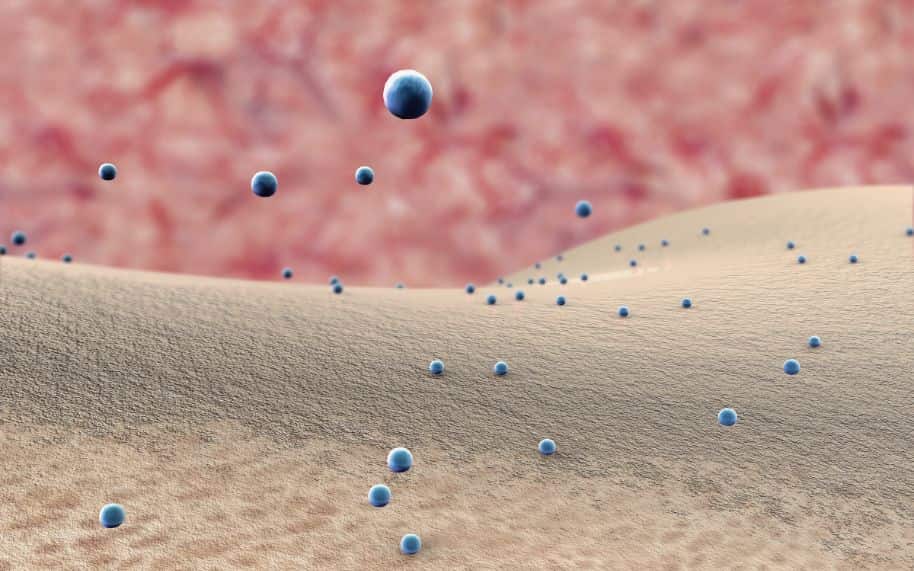
In this article, I explain how psoriasis may be associated with other immune-mediated diseases and which conditions are most commonly linked to it.
Psoriasis is a chronic immune-mediated inflammatory disease that primarily affects the skin, although its impact can extend beyond the visible manifestations of the disease. Abnormal activation of the immune system plays a central role in psoriasis. Some of the inflammatory pathways involved are also relevant to other immune-mediated diseases, which helps explain why certain conditions occur more frequently in people with psoriasis than in the general population.
Understanding these associations can help us take a more comprehensive approach to the health of people living with psoriasis.
Psoriasis is an immune-mediated disease with systemic implications
Although psoriasis is commonly associated with skin manifestations such as red, scaly plaques, the disease may have systemic implications. The inflammatory processes involved in psoriasis are not necessarily confined to the skin, and people with psoriasis can have a higher prevalence of several associated conditions.
Some immune-mediated inflammatory diseases share genetic factors and inflammatory pathways. Cytokines and other signalling molecules involved in immune regulation can contribute to inflammation in different tissues and organs. These shared mechanisms may partly explain the association between psoriasis and several other immune-mediated conditions.
Common immune-mediated comorbidities in people with psoriasis
Studies have identified associations between psoriasis and a number of other immune-mediated diseases. This does not mean that everyone with psoriasis will develop another condition, but certain diseases occur more frequently among people with psoriasis than in the general population.
Psoriatic arthritis: the clearest association
Among the conditions associated with psoriasis, psoriatic arthritis is one of the most important. Psoriatic arthritis is an inflammatory disease affecting the joints and other musculoskeletal structures and develops in a proportion of people with psoriasis. Its clinical presentation varies considerably. Some patients have relatively limited symptoms, whereas others may develop more significant joint involvement that can affect mobility and function. Psoriatic arthritis does not always develop at the same time as the skin manifestations of psoriasis, which can sometimes delay diagnosis. Recognising symptoms such as persistent joint pain or swelling, morning stiffness, swollen fingers or toes, or pain where tendons attach to bone can therefore be important for early assessment and appropriate treatment.
Inflammatory bowel disease
Another clinically relevant association exists between psoriasis and inflammatory bowel diseases such as Crohn’s disease and ulcerative colitis. These conditions and psoriasis share certain genetic and inflammatory pathways, despite affecting different organs.
When psoriasis and inflammatory bowel disease coexist, treatment needs to take both conditions into account. Some biological therapies target inflammatory pathways involved in more than one immune-mediated disease and may therefore be useful in appropriately selected patients. However, the choice of treatment depends on the individual diseases involved, their severity and the specific therapeutic target.
Other conditions that may be associated
Associations between psoriasis and other immune-mediated conditions have also been investigated. The strength of the evidence varies according to the disease, and further research is still needed in several areas. As scientific evidence develops, our understanding of these associations will continue to evolve.
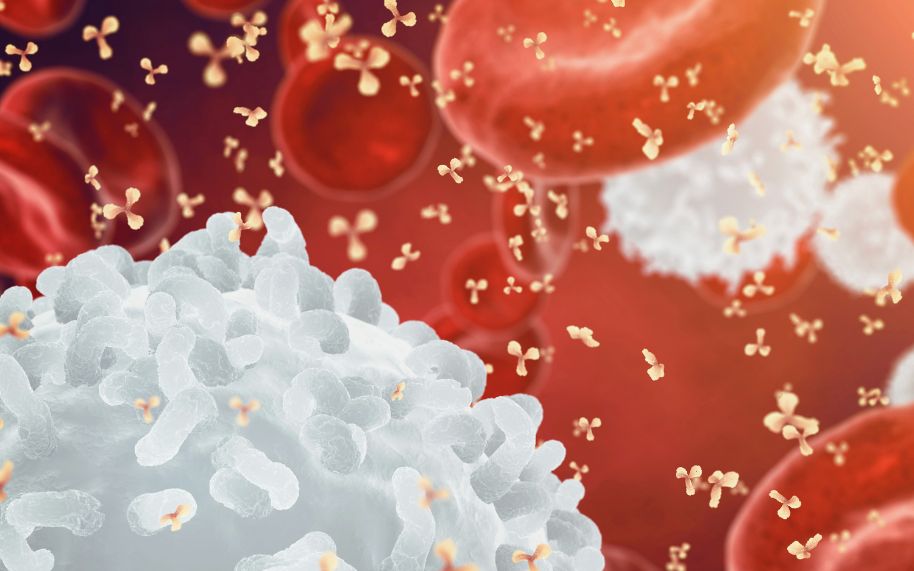
Why can psoriasis coexist with other immune-mediated diseases?
The association between psoriasis and other immune-mediated diseases is complex and probably involves several mechanisms. Genetic predisposition plays an important role. Different immune-mediated diseases can share genetic variants involved in immune regulation, including variants within the human leukocyte antigen (HLA) system. However, genetics alone does not explain why these conditions develop. Environmental factors may also contribute to disease expression in genetically susceptible individuals. Infections, smoking, obesity and other environmental or lifestyle factors have been studied in relation to different immune-mediated diseases.
Systemic inflammation may also be relevant. Psoriasis involves inflammatory pathways that can extend beyond the skin, and some of these pathways overlap with those involved in other inflammatory diseases. This does not mean that psoriasis directly causes these conditions, but shared inflammatory mechanisms may help explain why they can coexist. Changes in the gut and skin microbiome are also being investigated as possible factors involved in immune regulation and inflammatory disease. This is an active area of research, but the precise role of the microbiome in psoriasis and its associated diseases has not yet been fully established.
Impact on diagnosis and treatment
The coexistence of psoriasis with other immune-mediated diseases can make both diagnosis and clinical management more complex. Symptoms of one condition may sometimes be attributed to another cause, potentially delaying diagnosis. For example, persistent joint pain or stiffness may be attributed to mechanical causes or ageing when it could, in some patients, represent an early manifestation of psoriatic arthritis.
From a therapeutic perspective, the presence of more than one inflammatory disease requires an individualised approach. Biological therapies target specific components of the immune system and can be effective in several immune-mediated inflammatory diseases. In some patients, the presence of associated conditions can influence which biological therapy is most appropriate. However, not every biological therapy is suitable for every immune-mediated disease, and treatment needs to be selected according to the individual clinical situation. Response, safety, comorbidities and other treatments should all be taken into account, which is why biological therapy should be prescribed and monitored by clinicians with appropriate expertise in its use.
Lifestyle is also relevant as part of comprehensive care. A balanced dietary pattern, regular physical activity, avoiding smoking, maintaining a healthy weight and addressing psychological wellbeing can support overall health and help reduce cardiovascular and metabolic risk. These measures complement medical treatment rather than replace it. Patient education is equally important, helping people understand their disease and recognise symptoms that may warrant further medical assessment.
Psoriasis and other immune-mediated diseases: a comprehensive approach to a complex association
The relationship between psoriasis and other immune-mediated diseases should be considered within a broader view of the patient’s health. Recognising these associations allows dermatologists expert in psoriasis and other healthcare professionals to assess not only the visible manifestations of the disease but also symptoms or conditions that may require further investigation. For this reason, in my practice I take a comprehensive approach to psoriasis, considering both skin involvement and the broader clinical context of each patient.
Living with more than one immune-mediated disease can make clinical management more complex. However, appropriate individualised care and, when required, collaboration between different medical specialties can help achieve better disease control and improve quality of life. Understanding how these conditions can coexist is an important part of improving diagnosis, selecting the most appropriate treatments and providing more comprehensive care.
I invite you to share this article about the relationship between psoriasis and other immune-mediated diseases with anyone who may find it useful.
