
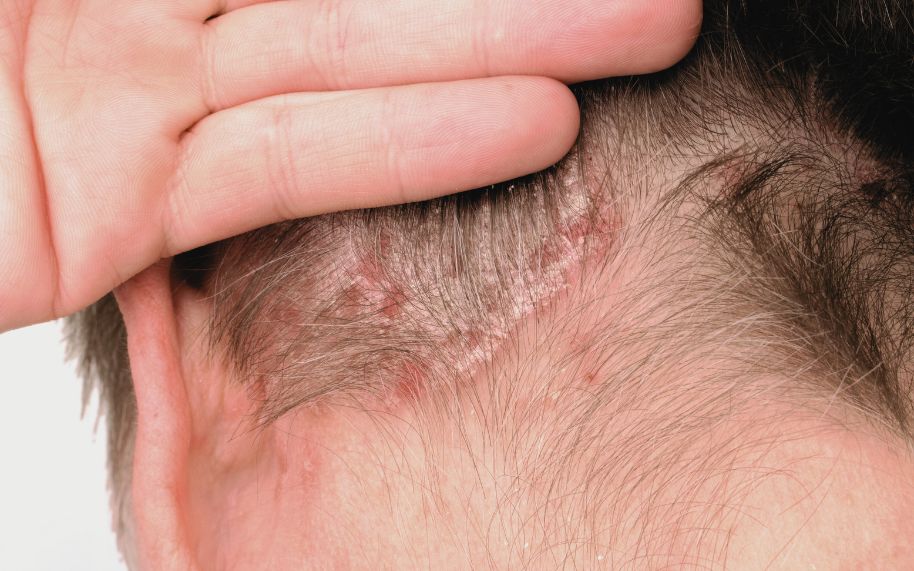
Learn what the scientific evidence says about the relationship between scalp psoriasis and hair loss, together with practical advice for looking after your scalp and hair.
Psoriasis is a chronic immune-mediated inflammatory disease that can affect different areas of the body, including the scalp. One of the most common concerns among people with scalp psoriasis is whether the condition can cause hair loss or even permanent alopecia. In this article, I explain what we currently know from the scientific evidence.
What is scalp psoriasis?
Scalp involvement is a common manifestation of psoriasis. It can present as plaques affecting small areas or, in some cases, extend across much of the scalp. Although scalp psoriasis can appear extensive and cause significant symptoms such as itching, tightness, burning or discomfort, it does not usually cause permanent hair loss.
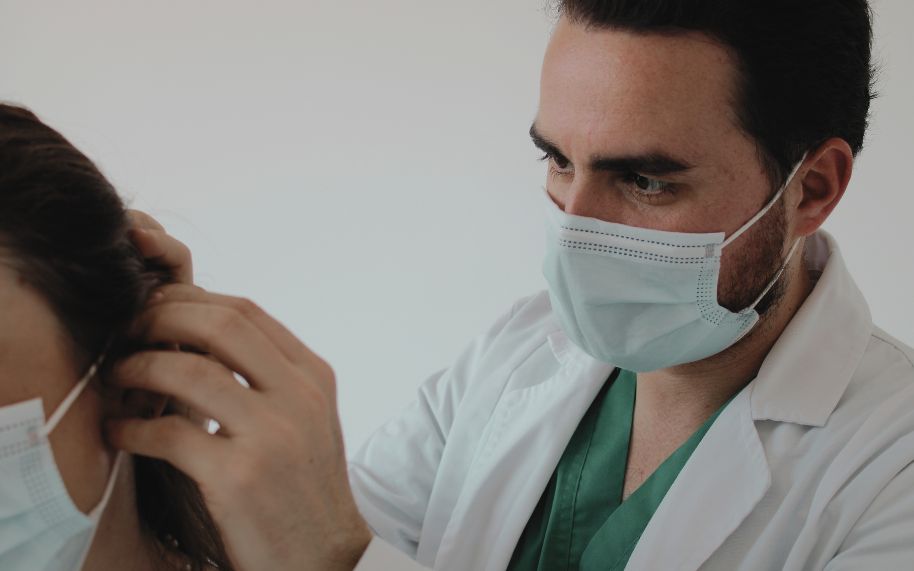
Can psoriasis cause hair loss?
In general, scalp psoriasis does not cause permanent alopecia. Hair can continue to grow through areas affected by psoriasis, even when plaques are extensive. However, temporary or, much more rarely, permanent hair loss may occur in certain circumstances.
1. Temporary hair shedding associated with psoriasis flare-ups
Some patients may experience increased hair shedding during periods of marked scalp inflammation. Persistent scratching, rubbing the scalp or mechanically removing adherent scales may also contribute to hair breakage or shedding. In some situations, this may present as telogen effluvium, a usually temporary form of diffuse hair shedding. Hair growth generally recovers once the inflammatory process and any contributing factors are brought under control.
2. Localised hair loss associated with persistent scalp disease
A small number of patients with long-standing or poorly controlled scalp psoriasis may develop localised hair loss in affected areas. Inflammation, scratching and repeated trauma can all contribute. In most reported cases, the hair loss is non-scarring and potentially reversible once the psoriasis is adequately treated. If hair loss persists despite good control of the scalp disease, other causes should also be investigated.
3. Alopecia cicatricial: casos extremadamente raros
There are isolated reports of scarring alopecia occurring in association with severe or long-standing scalp psoriasis. Scarring alopecia involves permanent destruction of the hair follicle, leading to irreversible hair loss in the affected area. However, this appears to be very uncommon, and the available evidence is limited. In some reported cases, other possible contributing conditions or factors need to be considered, including infection, repeated trauma or another inflammatory hair disorder. For this reason, persistent or unusual areas of hair loss should always be assessed by a dermatologist.
What does the scientific evidence say?
Published studies suggest that scalp psoriasis does not usually cause permanent damage to the hair follicles. Inflammation, scratching and mechanical trauma may nevertheless contribute to temporary hair shedding, particularly when scalp disease is severe or poorly controlled. Rare cases described as psoriatic scarring alopecia have also been reported in the medical literature. However, these cases are exceptional, and the available evidence is not sufficient to establish a straightforward causal relationship between scalp psoriasis and permanent scarring alopecia.
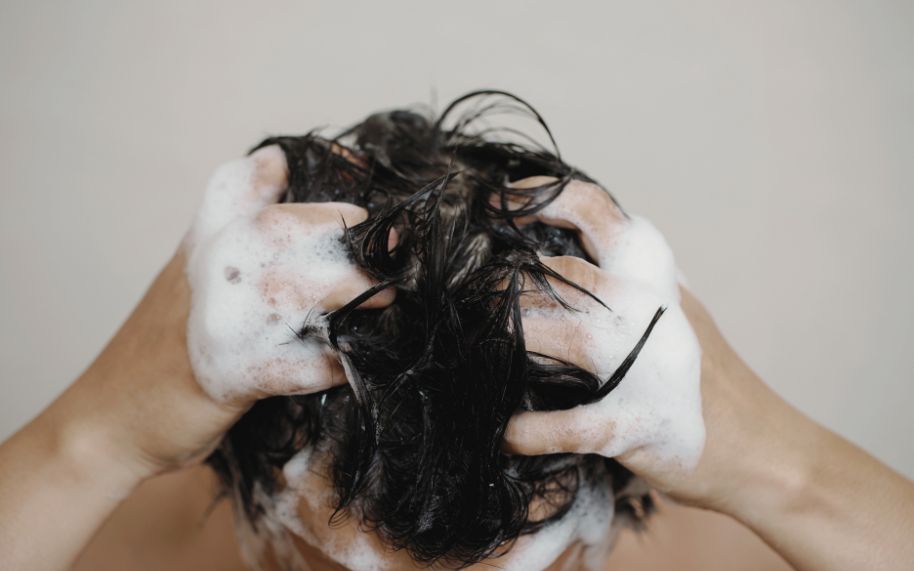
How can you reduce hair loss if you have scalp psoriasis?
- Avoid scratching: Persistent scratching can further irritate the scalp, damage hair shafts and contribute to shedding. Appropriate treatment of itching and inflammation is important.
- Follow the treatment prescribed by your dermatologist: Topical corticosteroids, keratolytic treatments and, when clinically indicated, systemic therapies can help control scalp inflammation.
- Use appropriate scalp-care products: Depending on your individual condition, medicated shampoos or other scalp formulations containing ingredients such as salicylic acid or other appropriate active substances may be recommended. Products should be selected according to your scalp and the treatment plan advised by your dermatologist.
- Seek assessment if there are signs suggestive of scarring alopecia: Areas of persistent hair loss in which the scalp appears smooth, shiny or atrophic should be assessed promptly by a dermatologist, as these features may suggest permanent follicular damage or another hair disorder.
- Maintain healthy lifestyle habits: A balanced diet, avoiding smoking and limiting excessive alcohol consumption support overall health. Attention to stress and psychological wellbeing may also be helpful as part of comprehensive psoriasis care.
Conclusion
Scalp psoriasis rarely causes permanent hair loss. In most patients, hair continues to grow despite the presence of psoriasis plaques. When increased shedding occurs, it is usually temporary and may be associated with active inflammation, scratching, mechanical trauma or other contributing factors. Permanent scarring alopecia has been reported only exceptionally, and the evidence linking it directly to psoriasis remains limited.
If you have scalp psoriasis and are concerned about hair loss, the most important step is to seek assessment from a dermatologist expert in hair disorders, who can determine whether the shedding is related to psoriasis or whether another cause of hair loss needs to be investigated. Appropriate treatment can then be selected to protect both the scalp and the hair.
