
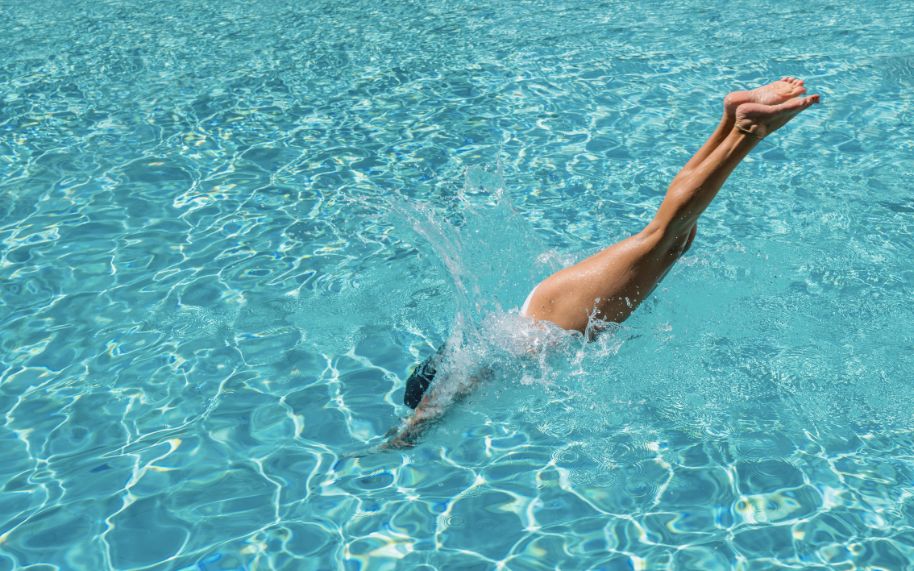
Swimming can be a very beneficial form of exercise for people with psoriasis, although chlorine may irritate the skin in some cases. In this article, I provide practical advice for swimming in pools and the sea while looking after your skin.
Swimming is a form of exercise that can support cardiovascular fitness, muscle strength and general wellbeing. Physical activity may also help with stress management, sleep and weight control, all of which are relevant to overall health in people with psoriasis. However, if you have psoriasis, it is understandable to wonder whether chlorinated swimming pools are suitable for your skin.
Swimming pools and psoriasis: are they compatible?
Both public and private swimming pools commonly use chlorine-based disinfectants to maintain appropriate water quality. Chlorinated water is well tolerated by many people with psoriasis, but it can cause dryness or irritation in some individuals, particularly when the skin is already sensitive or inflamed.
Can chlorine make psoriasis worse?
Chlorine can dry or irritate the skin, which may temporarily increase symptoms such as tightness, itching or scaling in some people with psoriasis. This does not mean that people with psoriasis need to avoid swimming pools altogether. The key is to observe how your own skin responds and take appropriate skin-care measures.
Advice if you have psoriasis and swim in a chlorinated pool
- Shower before and after swimming. Rinsing the skin after leaving the pool helps remove residual chlorine.
- Apply an appropriate moisturiser or emollient after swimming to help restore skin hydration.
- Avoid very prolonged swimming sessions if you notice increasing dryness or irritation.
- If particular areas are especially sensitive, appropriate swimwear may help reduce friction or exposure. Barrier products may be useful in selected situations, but their suitability should be discussed with your dermatologist if you are unsure.
What about seawater?
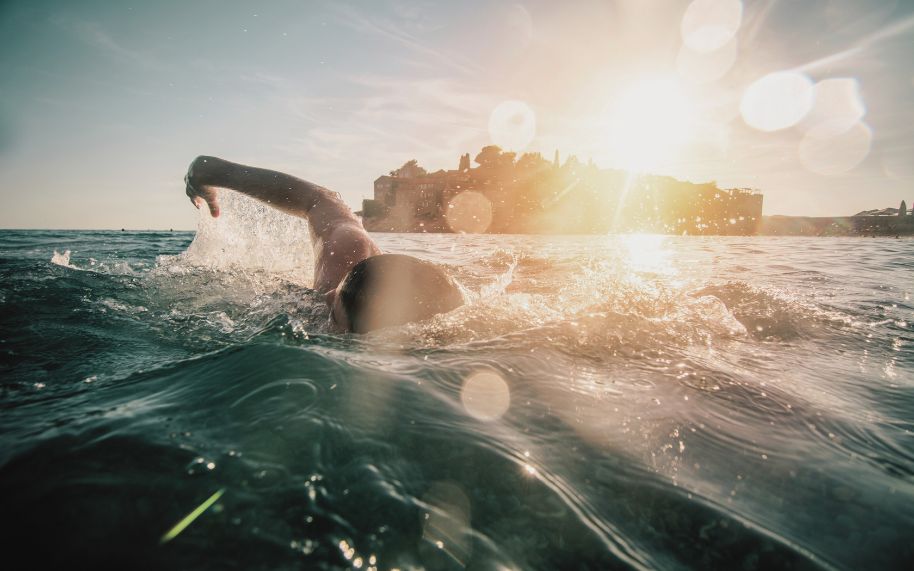
Some people with psoriasis find bathing in seawater comfortable or notice that scales become softer after swimming. However, the specific therapeutic effect of seawater itself is not clearly established. Salt water may also dry the skin or cause stinging, particularly if there are cracks, erosions or open lesions.
Advice for swimming in the sea with psoriasis
- Start with shorter swims if you are unsure how your skin will react.
- Rinse with fresh water after swimming when possible. Apply a moisturiser or emollient afterwards to help prevent dryness.
- Avoid excessive sun exposure and use appropriate broad-spectrum sun protection.
If you would like to know more about the possible effects of going to the beach when you have psoriasis, you can read my dedicated article on the subject.
What if I am in the middle of a flare-up?
If you have an active flare with cracked, eroded, bleeding or very inflamed skin, chlorine and salt water may cause increased stinging or irritation. Whether you should temporarily avoid swimming depends on the extent and condition of the affected skin. Open or significantly damaged skin may also require particular care because of the risk of secondary infection. In these situations, follow the advice of your dermatologist.
Benefits of swimming for people with psoriasis
Regular physical activity is important for general health, and swimming can be a particularly suitable option for many people. It can support cardiovascular fitness, muscle strength, weight management and psychological wellbeing. Exercise may also help improve sleep and provide a useful way of managing stress. These benefits are relevant because psoriasis is associated with an increased prevalence of certain cardiovascular and metabolic risk factors.
However, swimming itself should not be regarded as a treatment for psoriasis. Its main benefits are those associated with regular physical activity and overall health.
Remember: swimming caps and goggles may be useful for practical reasons, but if you have psoriasis affecting the scalp, face or area around the eyes, make sure that straps and equipment do not cause excessive friction or irritation. Some people find certain pools more comfortable than others. The degree of skin irritation depends on factors such as disinfectant concentration, water chemistry, time spent in the pool and individual skin sensitivity, rather than simply whether a pool is described as chlorine, saltwater or ozone treated.

Conclusion: swimming pools and psoriasis
Yes, most people with psoriasis can swim, provided that their skin tolerates the water and appropriate precautions are taken. Chlorinated water can cause dryness or irritation in some people, so rinsing after swimming and moisturising the skin are particularly important. Seawater may feel comfortable for some patients but can also dry or sting sensitive or damaged skin. In either case, individual responses vary. If swimming consistently irritates your skin, you have extensive active psoriasis, open lesions or questions related to your treatment, speak to a dermatologist specialising in psoriasis for individual advice.
I invite you to share this article about swimming pools and psoriasis with anyone who may find it useful.
