

During the summer, some people with psoriasis notice an improvement in their skin when they spend time at the beach. There is a widespread belief that sunlight and seawater are always beneficial for psoriasis, but the reality is more nuanced. In this article, I look at what the scientific evidence tells us.
What potential benefits can the beach have for psoriasis?
Controlled exposure to sunlight, bathing in seawater and the opportunity to rest during holidays may have a positive effect for some people with psoriasis. However, individual responses vary, and these factors should not be regarded as substitutes for appropriate medical treatment.
1. Sun exposure and psoriasis
Ultraviolet B (UVB) radiation can reduce inflammatory activity and keratinocyte proliferation, two processes involved in psoriasis.
This is one of the reasons why narrowband UVB phototherapy is an established dermatological treatment for selected patients with psoriasis.
However, medically supervised phototherapy and exposure to natural sunlight are not the same. The dose of ultraviolet radiation from sunlight is much more difficult to control and varies according to factors such as time of day, season, geographical location, altitude, cloud cover, UV index and individual skin phototype. Excessive exposure can be harmful. Sunburn may aggravate psoriasis and can trigger the Koebner phenomenon, in which new psoriasis lesions develop in areas of injured skin. Sunburn also contributes to cumulative skin damage and increases the risk of skin cancer. For this reason, appropriate sun protection remains essential for people with psoriasis.
2. Seawater
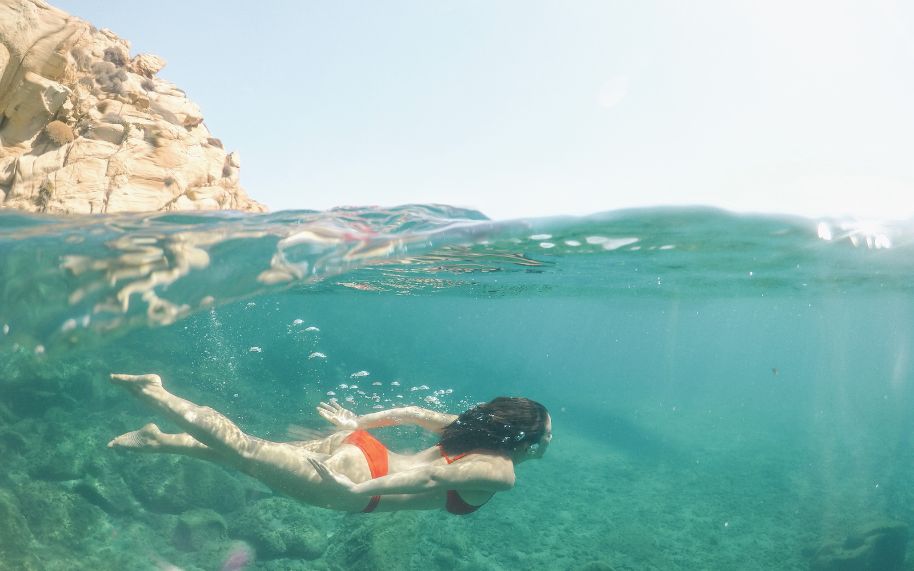
Some people with psoriasis find that bathing in seawater makes scales feel softer or provides temporary relief from itching or discomfort. However, the specific therapeutic effect of seawater alone is not clearly established, and responses vary between patients.
Salt water may also dry or irritate the skin in some patients.
3. Relaxation and rest
Stress is one of the main triggers and aggravating factors in psoriasis. Rest, a change of environment and enjoyable activities such as walking along the shore, reading or swimming may therefore have a positive impact on the course of the disease.
Tips for enjoying the beach if you have psoriasis
- Expose yourself to the sun gradually and in a controlled way, preferably in the early morning or late afternoon.
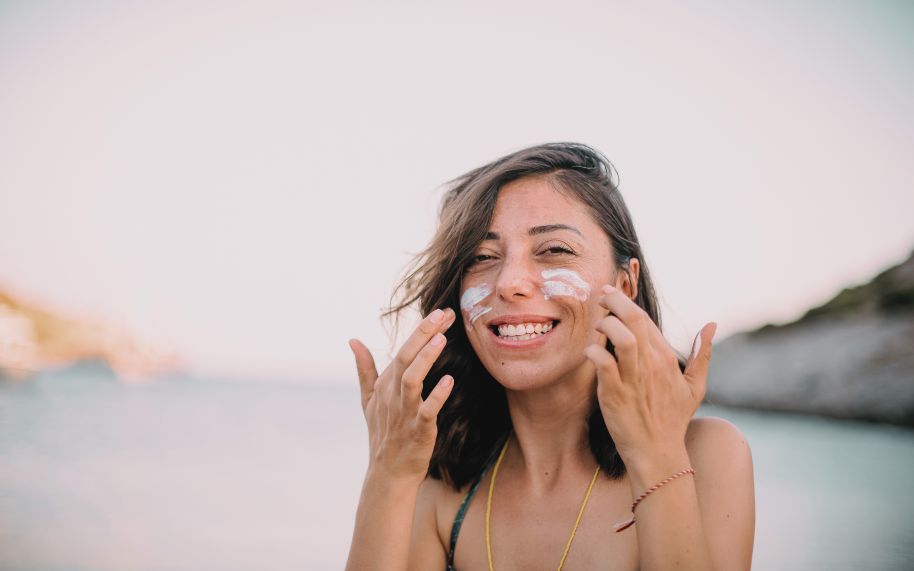
- Use sun protection on unaffected areas, with a high SPF and formulated for sensitive skin.
- On areas affected by psoriasis, ask your dermatologist whether to apply sun protection or leave the area uncovered for a limited time.
- Avoid sunburn, as it can trigger new lesions.
- Stop or reduce exposure if your skin becomes irritated.
- Moisturise your skin after every period of sun exposure or swim in the sea, using products specifically for skin with psoriasis.
Although most patients experience an improvement in their psoriasis with the sun, the summer and reduced stress, a proportion may get worse. If this is your case, try these tips, although it is possible that, because of the characteristics of your skin, the beach may still not suit you.
It is also important to remember that prolonged sun exposure increases the risk of photoageing and skin cancer. For this reason, regular check-ups with a dermatologist are essential, particularly in patients with psoriasis, who often need controlled sun exposure. The specialist can recommend specific sun protection products and adjust exposure time to maximise benefits and minimise risks.
What if I am in the middle of a flare-up?
If you are going through an active flare-up of psoriasis with open or bleeding lesions, it may be advisable to avoid both swimming pools and the sea until the lesions improve. Exposure to the sun or to salt water in these conditions can increase irritation or the risk of infection.
In addition, if you are being treated with photosensitising medicines (such as some retinoids or immunosuppressants), it is essential to speak to your dermatologist before exposing yourself to the sun, as you could be at greater risk of burns or skin reactions.
What does the scientific evidence say?
Studies such as those carried out in thalassotherapy centres or around the Dead Sea have shown clinical improvement in patients with psoriasis after combining controlled sun exposure and bathing in salt water. However, the benefits depend on skin type, on the type and extent of the psoriasis, and on the degree of inflammation present.
A study published in Journal of the European Academy of Dermatology and Venereology (2003) concluded that the combination of sun and salt water can significantly improve psoriasis, provided that it is done in a controlled way. It also stresses that excessive sun exposure can induce adverse effects.
Conclusion
Going to the beach can be beneficial for many people with psoriasis, thanks to three key factors: moderate sun exposure, bathing in salt water and physical and mental rest. Natural UVB light can have an anti-inflammatory effect on the lesions, while seawater can help remove scales.
But not everything is positive: excessive sun exposure, insufficient moisturising or the inappropriate use of photosensitising products can make things worse.
To enjoy the beach while looking after your skin:
- Moisturise your skin after swimming and sun exposure.
- Use appropriate sun protection and avoid sunburn.
- Speak to your dermatologist if you are receiving treatment, have extensive or active psoriasis, or are unsure how much sun exposure is appropriate for you.
The beach may be enjoyable and some people with psoriasis notice that their skin improves there, but each patient responds differently. A personalised approach remains the safest way to balance potential benefits with the risks of ultraviolet exposure.
